Turkish cuisine begins with its Central Asian nomadic root: meat, dairy, dough and spices, kept in forms suited to mobile life. Yoghurt, dried meat (kavurma), dry dough (erişte, the ancestor of mantı) and grain pastes are inheritances from this period.
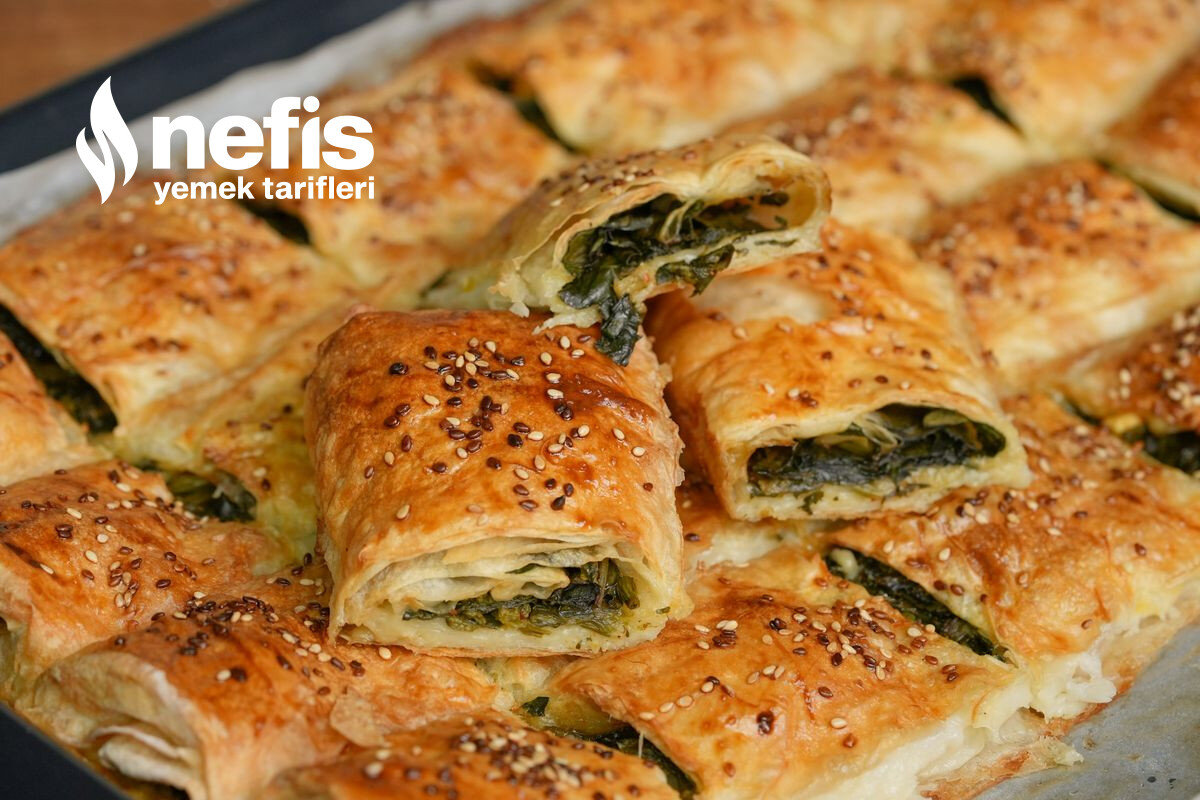
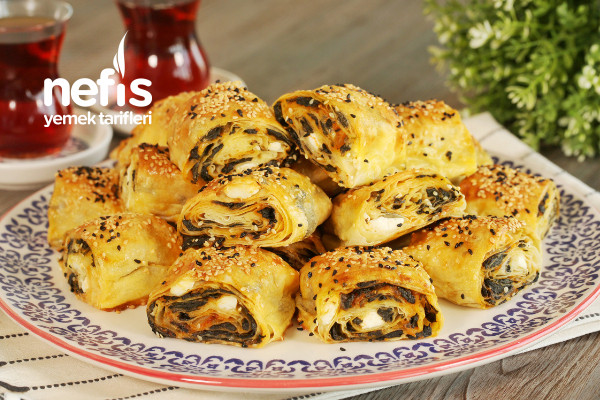
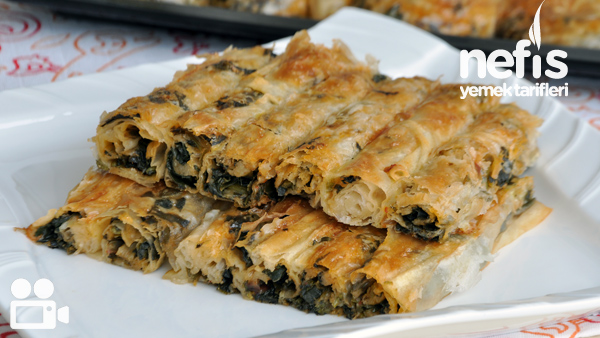
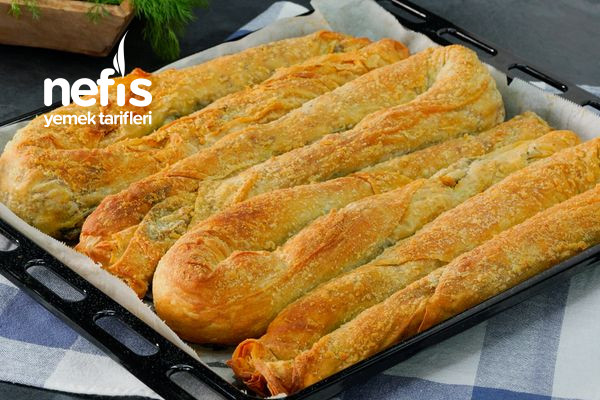
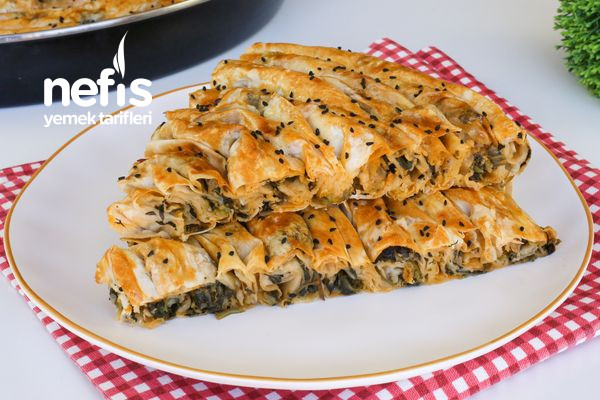
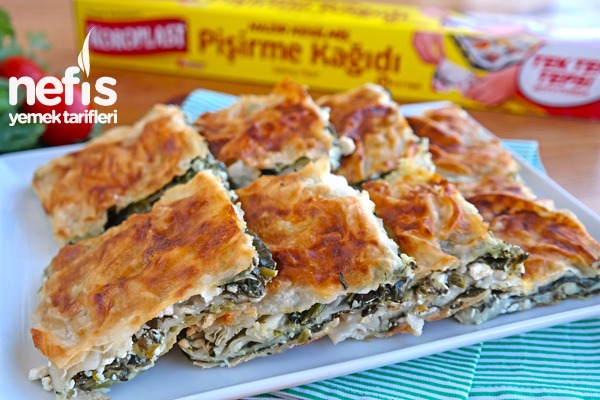
When the Seljuks arrived in Anatolia, the cuisine merged with local Byzantine, Armenian and Syriac traditions — the structural roots of pilav, börek and baklava were shaped in this period. Persian influence in the same era brought rice pilaf and almond/sugar sweets to the table.
The Ottoman period turned the cuisine into a palace system. The Topkapı kitchens ran with hundreds of cooks, formal budgets and a strict hierarchy. Every dish was a specialist's job: a pilav cook, a kebap cook, a helva cook. Mediterranean (olive oil, vegetables), Balkan (yufka technique), Arab (spice) and Persian (sweet-sour) cuisines met at the same table in this era.
The Republican era added two directions: the standardisation of home cooking (breakfast, seasonal vegetables, classic family recipes) and waves of internal migration that carried the countryside into the city. Today an Istanbul market stall holds Black Sea anchovies, Antep baklava and Thracian white cheese side by side — that variety is a product of the last century.